Turning Ideas into a Business: Navigating Credit Cards as an Immigrant Entrepreneur in Sweden
Founders from Nigeria and other countries need clear tools when launching a company abroad. Small Business Credit Cards for Immigrants in Sweden offer a practical way to manage purchases, supplier payments, and early financing needs.
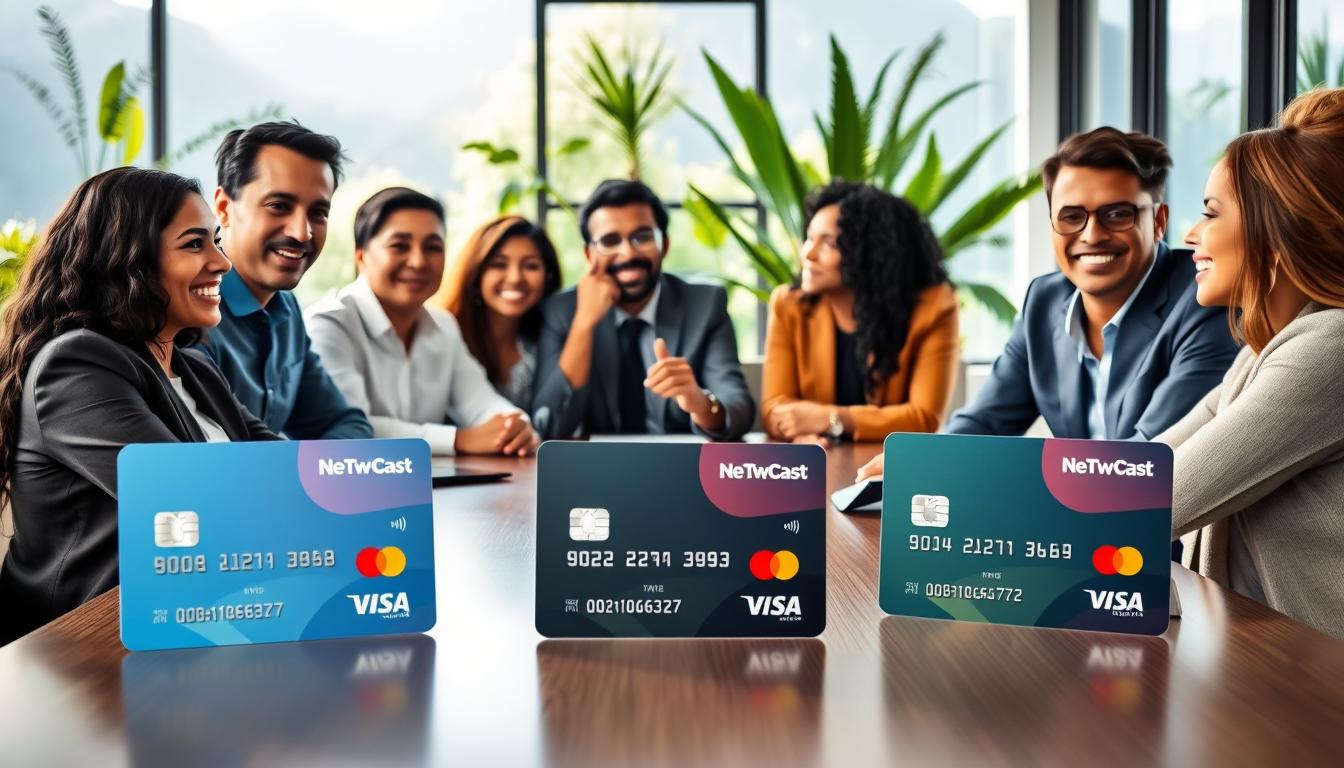
Visa cards work at millions of locations worldwide and online. This reach can support payments to Swedish vendors, international partners, and recurring services. It also helps businesses keep daily spending separate from personal funds.
This guide will compare commercial card options through approval rules, spending limits, fees, rewards, fraud protection, and expense controls. It will also explain how a credit score may affect access, while showing why a suitable card can strengthen financial planning.
Qred offers a useful starting point. Its application takes about one minute, costs nothing, and creates no binding commitment. Eligible applicants may receive their card within a few days. The review will also separate payment tools from immigration matters, including Sweden’s 2026 residence- and work-permit developments.
The goal is simple: help each founder choose a confident path toward sustainable business growth.
Compare Small Business Credit Cards for Immigrants in Sweden
Choosing a company payment tool requires more than a low rate. Compare acceptance, purchase control, rewards, fees, and repayment terms before applying. This approach helps Nigerian founders match a card with current cash flow.
Business Card Features, Rewards, and Spending Limits
Visa supports online orders, supplier payments, and daily transactions at millions of locations worldwide. Visa products may add discounts, travel access, dining perks, fraud alerts, and spending controls. Review cash back, employee access, foreign transaction treatment, and invoice tools before choosing an issuer.
- Check acceptance across vendors and digital services.
- Compare rewards with real operating expenses.
- Review fees, rates, limits, and protection details.
Flexible Credit Options for New and Growing Companies
Qred advertises a maximum limit of SEK 2,000,000 after a personal assessment without UC. That figure offers a useful benchmark, not a guaranteed approval. New firms may prefer a controlled limit, while growing firms may need more purchasing capacity.
| Comparison point | New firm | Growing firm |
|---|---|---|
| Spending limit | Set close to monthly needs | Match supplier volume |
| Rewards | Prioritize useful savings | Review travel and volume perks |
| Control | Use alerts and caps | Add employee permissions |
Eligibility and Approval for Immigrant Entrepreneurs in Sweden
Residence status and payment approval follow separate checks. Nigerian founders should confirm permit duties first, then prepare financial records for an issuer. A company’s legal form, organization details, income evidence, and existing balance can shape the review.
Business Structure, Personal Credit, and Credit Assessment
A personal credit history may affect access to a business credit card. Lenders can review a credit score, repayment record, requested limit, rates, and current obligations. New firms should request limits that match cash flow, while an employee card may need separate controls.
“Qred uses a personal credit assessment without UC.”
This method offers another route, not a promise of approval. Applicants should compare fees, score requirements, and repayment details before applying.
- Review good-conduct changes effective July 13, 2026.
- Check work-permit rules from June 1, 2026, including health insurance.
- Note the SEK 34,470 salary threshold, based on a SEK 38,300 median.
- Researchers and doctoral students should review rules approved May 25, 2026.
- Permanent permit card renewal became easier on April 13, 2026.
These immigration updates guide residence planning, not lender decisions.
Business Expenses You Can Manage With a Swedish Business Card
Nigerian founders can route routine purchases through a Qred business credit card. Materials, equipment, software, electricity bills, vehicles, machines, and repairs fit common operating needs. This setup keeps company costs apart from personal spending and gives each transaction a clear purpose.
Marketing, rent, and coffee also deserve review when planning monthly expenses. A Qred card can connect to online payments or work at physical terminals. Visa acceptance across millions of global and online locations supports supplier purchases across Sweden and other markets.
- Use spending controls for routine purchases.
- Keep receipts beside monthly expenses.
- Review credit terms before larger orders.
Qred does not allow ATM cash withdrawals, so keep another source for cash needs. It combines purchases on one invoice. This view can simplify transaction checks, balance monitoring, and receipt records. Unlike many cards, the format gives growing firms an clear audit trail.
| Expense type | Typical use | Record benefit |
|---|---|---|
| Materials and equipment | Stock, tools, and supplies | Links costs to projects |
| Software and utilities | Subscriptions and electricity | Supports recurring review |
| Vehicles and repairs | Transport and maintenance | Clarifies operating costs |
| Marketing, rent, and coffee | Promotion and daily needs | Separates personal spending |
Fees, Rewards, and Financial Tools to Compare
Pricing can shape cash flow as much as a spending limit. Compare annual fees, user charges, hidden costs, foreign transaction fees, rates, and first-year terms before reviewing rewards. A clear review helps Nigerian founders avoid surprises and save money.
Annual Pricing and Overseas Purchase Costs
Qred states that it charges no annual fee, user fee, or hidden fee. Its 45 interest-free days may support careful payment timing. Still, check the issuer’s complete details, statement balance rules, and cost of carrying credit.
Cash Back, Travel Benefits, and Purchase Perks
Qred provides 1% cash back on all purchases. Visa Business Credit cards may add discounts, travel access, dining opportunities, fraud tools, and purchase protection. Compare these benefits with actual company needs, since attractive offers may carry limits or higher rates.
Employee Access and Expense Controls
A business credit card can support several employee cards. Qred combines staff purchases on one invoice, which simplifies expense tracking and review. Visa tools can flag unusual transactions and help control spending. These features give owners a practical way to protect cash and monitor employees.
Why Sole Traders May Benefit From a Business Credit Card
Starting as a sole trader gives Nigerian founders a direct route into the Swedish market. This structure ranks as the country’s second-most-common company type. It is free to start and uses the owner’s social security number as the organization number.
That simple setup also creates personal responsibility. A business credit card may separate purchases, track expenses, and organize company cash flow. A sole trader should review personal credit, credit score effects, approval rules, repayment duties, fees, and spending limits before applying.
“A sole trader keeps setup simple, but personal responsibility remains.”
Qred offers 1% cash back, 45 interest-free days, multiple cards, and a possible SEK 2,000,000 limit after a personal assessment without UC. It combines purchases on one invoice and states that no annual fee, user fee, or hidden fees apply.
- Check the balance each month.
- Match the limit with real cash flow.
- Use employee access only when needed.
| Feature | Potential value | Review point |
|---|---|---|
| Cash back | Reduces purchase cost | Confirm terms |
| One invoice | Simplifies records | Check payment dates |
| Multiple cards | Supports staff spending | Set clear controls |
Conclusion
Nigerian founders can choose with confidence by weighing approval rules, fees, rewards, travel needs, acceptance, and expense controls. A suitable business credit card should match cash flow, staff access, and overseas purchases.
Visa cards offer broad global and online reach. Qred provides a clear benchmark: 1% cash back, 45 interest-free days, and an advertised SEK 2,000,000 limit after personal assessment without UC. Terms may change, so read the full agreement before applying.
Sole traders use the owner’s social security number as the organization number. Review the credit score, repayment capacity, foreign fees, and employee controls. Then compare each provider’s terms. The right choice supports daily control and steady growth across Sweden.
Careful comparison turns a payment tool into a practical growth resource.