A Master’s in the Netherlands: Inside Maastricht University’s NL-High Potential Scholarship
For talented students from outside the EU and EEA, this fully funded route can make graduate study in the Netherlands more attainable. The 2027–2028 academic year includes help with tuition, living costs, health insurance, visa fees, and skills training.
Competition remains intense. Only about 2% of applicants receive the award, so careful planning matters. The maastricht university scholarship requires a completed program application by December 10, 2026. The funding application stays open from October 1, 2026, through February 1, 2027, at 11:59 p.m.
Key standards include a minimum GPA of 7.5 on a 10-point scale, an age limit of 35, and specific Dutch residence rules. Eligible applicants must also seek full-time master’s study and meet program conditions.
With more than 16,000 students and 4,000 staff members, the institution offers an international learning environment. This guide covers degree options, funding, documents, interviews, deadlines, and arrival steps, giving future applicants a clear path from first research to enrollment.
What the Maastricht University NL-High Potential Scholarship Offers
This funding route links campus support with a wider Dutch effort to attract skilled graduates from abroad. It can reduce major costs while adding academic and career support.
How UM and Dutch Ministry Funding Works
The Maastricht University Scholarship Fund finances the UM High Potential award. The NL Scholarship adds support from the Dutch Ministry of Education, Culture, and Science. Together, these sources form the NL-High Potential Scholarship.
The program also fits a broader funding network. The dutch ministry education works with Dutch universities and universities of applied sciences. This model gives international students access to a wider education system, not only one university scholarship.
Why This Campus Appeals to Global Students
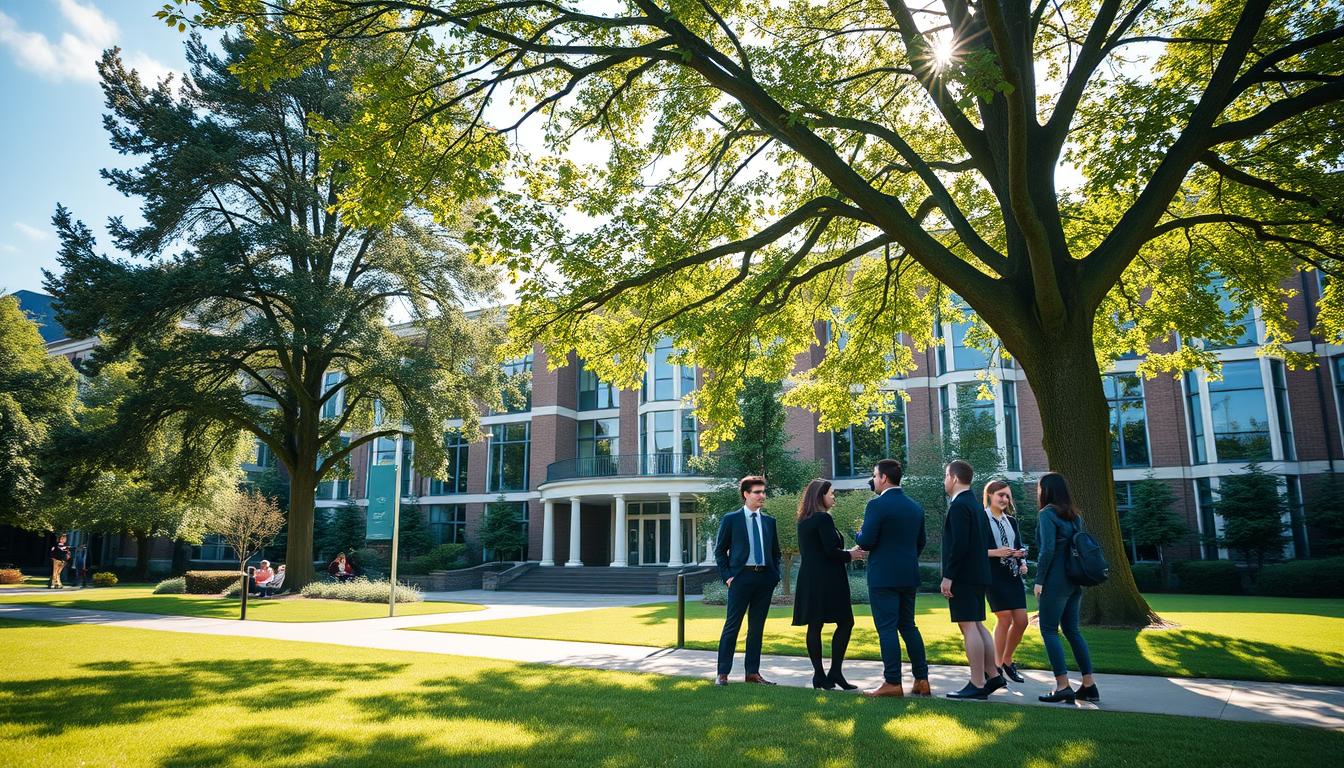
More than 16,000 students and about 4,000 staff create a diverse setting at Maastricht University. Its Problem-Based Learning model builds discussion, teamwork, and critical thinking.
Media Studies student Aruzhan Kuztayeva applies this method through podcast and digital projects. Abenezer Tarekegne Legesse shows another path: he moved from clinical medicine in Ethiopia into epidemiology and public health.
| Funding partner | Main role | Student value |
|---|---|---|
| Scholarship Fund | UM High Potential award | Core study support |
| Dutch Ministry | NL Scholarship | Added financial aid |
| Dutch institutions | National cooperation | Broader access |
Eligible Master’s Programs and Study Areas
Program choice is the first major filter for this award. Applicants must select an eligible, full-time master’s program for the 2027–2028 academic year. The listed options span social science, law, health, business, and technology, giving students several ways to match their goals with advanced education.
Participating Faculties and Graduate Programs
Maastricht University includes these study areas. Each master program has its own admission rules, so review the official requirements before applying.
- Arts and Social Sciences: Globalisation and Development Studies, Media Studies: Digital Cultures, and research master programs in European Studies and Cultures of Arts, Science & Technology.
- Law: European Law School options, including Law & AI, Globalisation and Law, International and European Tax Law, and the Advanced Master in Intellectual Property Law and Knowledge Management.
- Health and medicine: Global Health, Epidemiology, Health Education and Promotion, and Governance and Leadership in European Public Health.
- Other fields: Psychology: Neuropsychology; business programs in econometrics, supply chains, and international business; plus Systems Biology, Bioinformatics, Imaging Engineering, and Biobased Materials.
Maastricht University joins other Dutch universities with broad graduate choices. However, admission alone does not secure the award. Confirm that the selected master appears on the official participating-program list for the relevant year.
Scholarship Eligibility Requirements for International Applicants
Before preparing documents, applicants should test each rule against their own education history, nationality, and travel status. The criteria apply to both admission and the funding request.
Nationality, Residence, and Dutch Visa Requirements
Applicants must hold nationality outside the EU/EEA, Switzerland, and Surinam. Dual nationality with an EU/EEA country or Switzerland makes an applicant ineligible. They must also meet Dutch MVV visa and residence permit rules.
A different Schengen permit is acceptable only if it remains valid through September 2, 2027. If it expires sooner, the applicant must apply from their home country through the MVV process.
Academic Admission, GPA, and Age Criteria
Applicants need a complete Maastricht University master’s admission file by December 10, 2026. The latest transcript must show at least a 7.5 GPA on a 10-point scale, or about 75% or 3.0 out of 4.0. The chosen course must be a full-time master, and applicants must be age 35 or younger on September 1, 2027.
Previous Study in the Netherlands and Ambassador Commitments
Prior degree-seeking higher education in the Netherlands is not allowed. However, an exchange program does not remove eligibility. Awardees must also join at least one information session for students or other stakeholders during or after their studies.
“Eligibility is more than a strong academic record; it also includes timing, residence, and service.”
Funding, Living Expenses, and Included Benefits
The maastricht university scholarship combines core funding with practical support. The NL-High Potential Scholarship covers a 13-month award for a one-year master and 25 months for a two-year master. Living support totals €20,150 or €38,750.
Tuition fees, the visa application, and pre-academic training are arranged and paid by the UM International Services Desk. The same office provides €700 in health and liability insurance. The ministry education contribution also supports this university scholarship. Ambassador Programme costs apply during the first block only.
How the Monthly Budget Works
The living expenses plan uses €1,550 per month. Students should expect these main costs:
- €960 for housing
- €160 for groceries and personal hygiene
- €100 for travel
- €90 for books and study materials
- €60 for telephone, €125 for clothing and hobbies, and €55 for other expenses
Accepting the NL-High Potential Scholarship means accepting a required room through July 16, 2028. Students in two-year programs must secure housing for the second year. Airfare remains excluded, and Maastricht Housing requires an upfront cleaning fee of about €75. This structure helps students plan living expenses before leaving their country.
Application Timeline and Important Deadlines
Build a clear calendar before starting the NL-High Potential Scholarship application. The 2027–2028 academic year opens on October 1, 2026, and the final funding deadline is February 1, 2027, at 11:59 p.m.
- October 1, 2026: The scholarship application becomes available.
- December 10, 2026: Submit the Maastricht University master application and all required admission materials.
- February 1, 2027: Complete the funding application and registration steps. Legal residence, tuition payment, and a hard-copy diploma may remain pending.
- First week of August 2027: Attend the required two-week Pre-Academic Training.
- September 2, 2027: Existing Schengen permits must remain valid through this date when applicable.
Check your program’s handling fee and internal deadline early. UM does not cover admission fees set by individual programs. This simple step can prevent a missed deadline during the application year.
| Task | Date | Key note |
|---|---|---|
| Funding opens | October 1, 2026 | Begin the scholarship file |
| Admission file due | December 10, 2026 | Send program materials |
| Funding closes | February 1, 2027 | Submit by 11:59 p.m. |
How to Submit a Strong Scholarship Application
A well-ordered file helps your admission review move smoothly. Start with the participating master program, then prepare the funding request with care.
Applying Through Studielink.nl
First, apply to the selected program through Studielink.nl. After registration, you receive a UM student number. Use it to create your account and open the UM scholarship application form. Pay any program handling fee yourself by December 10, 2026. The university scholarship does not cover this fee.
Completing the Funding Form
The form allows one submission only. Check every field, file, and referee detail before you select submit application. A clear motivation letter should use the official template. Add a personal statement that explains your financial need and expected expenses.
Preparing Evidence and References
Upload a current CV of no more than two A4 pages. Include a recent transcript or official GPA record showing at least 7.5 out of 10, plus an explanation of your grading system. File types must be DOC, DOCX, or PDF.
References may come from professors, lecturers, or employers. They must be dated February 2026 or later and include a work email and phone number with the country code. Family members and personal email addresses do not qualify.
“A careful final check can protect months of preparation.”
| Item | Required standard | Action |
|---|---|---|
| Program application | Studielink.nl and UM number | Apply first |
| Academic proof | 7.5 GPA and grading explanation | Upload transcript |
| References | Professional contact details | Verify before submission |
Selection Process, Interviews, and Arrival in Maastricht
After the February 1 deadline, the UM International Services Desk checks each application for completeness. It reviews the required documents, admission record, and scholarship form before forwarding complete files to the relevant faculties during February.
How Faculties Review Candidates
In March, every participating faculty selects and ranks its top five applicants. The desk confirms those choices by the end of the month, then invites leading candidates to an online interview. A clear answer about your master’s goals can help you explain your fit.
Candidates receive selected, waitlisted, or rejected results in April, and no later than early May. International students should monitor their UM account and student number for updates. An exchange record does not replace the required admission review.
Steps After Selection
At Maastricht University, successful students receive an award letter with arrival instructions and details about the two-week Pre-Academic Training. It starts in the first week of August 2027. Sign and return the letter promptly.
Formal acceptance allows visa, housing, health, insurance, and liability arrangements to proceed. The scholarship does not erase every fee, so keep program costs in your budget. This process gives each master’s student a clear path from interview to arrival.
Conclusion
The Maastricht University NL-High Potential Scholarship combines academic opportunity with broad financial support for eligible international students pursuing a master’s degree. This university scholarship can support graduate education while helping recipients focus on study and career goals.
Before starting an application, confirm program eligibility, nationality rules, GPA evidence, and admission requirements. Complete the program file by December 10, 2026, then submit the scholarship application by February 1, 2027.
Tuition, visa costs, health insurance, housing, living expenses, and training receive support under separate terms. Airfare and cleaning costs remain excluded, so plan your budget carefully. Because universities select only about 2% of applicants, strong documents, a focused motivation letter, and early preparation can make your application more competitive.